Does your dog scratch incessantly, leaving tufts of fur on your favorite sofa? Have you noticed they're a bit stiffer after a long walk or struggle to jump into the car like they used to? You've tried different foods, maybe even special shampoos, but the relief is only temporary. If this sounds familiar, you're not alone. Many pet parents face these common issues, often unaware that a simple, natural nutrient could be the key. That nutrient is omega 3 for dogs.
In this comprehensive guide, we'll dive deep into the world of these essential fatty acids. We'll explore what they are, why they are so crucial for your dog's well-being, and how you can easily incorporate them into their diet for a happier, healthier life.
What Exactly is Omega 3 for Dogs?
Let's start with the basics. Omega-3s are a family of essential polyunsaturated fats. "Essential" means your dog's body cannot produce them on its own; they must be obtained through their diet. They are fundamental building blocks for cells and play a critical role in numerous bodily functions.
The three most important types of omega 3 for dogs are:
- 1ALA (Alpha-linolenic acid):
This is a plant-based omega-3 found in sources like flaxseed and chia seeds. While beneficial, dogs are not very efficient at converting ALA into the more active forms their bodies need.
- 2EPA (Eicosapentaenoic acid):
This is a long-chain omega-3 primarily found in marine sources. EPA is a powerhouse for reducing inflammation throughout the body.
- 3DHA (Docosahexaenoic acid):
Also found in marine life, DHA is crucial for brain development, cognitive function, and vision.
When we talk about the potent benefits of omega 3 for dogs, we are primarily referring to EPA and DHA. These are the superstars that deliver the most dramatic health improvements.
The Science Behind the Benefits: Why Your Dog Needs Omega-3s
So, how do these fatty acids work their magic? At a cellular level, they are incorporated into cell membranes, making them more fluid and flexible. This improves communication between cells. Furthermore, EPA is a precursor to molecules that actively resolve inflammation, unlike some anti-inflammatory drugs that merely block it.
Here's a breakdown of the key science-backed benefits of providing omega 3 for dogs:
1. Promotes Healthy Skin and a Glossy Coat
This is one of the most visible benefits. Omega-3s help reinforce the skin's natural barrier, locking in moisture and keeping allergens and irritants out. This can lead to a significant reduction in itching, flaking, and hot spots. A diet rich in omega 3 for dogs often results in a noticeably softer, shinier, and healthier-looking coat within a few weeks.
2. Supports Joint Health and Mobility
As dogs age, or if they are a large breed, they can develop joint issues like osteoarthritis. Inflammation in the joints causes pain, stiffness, and reduced mobility. The powerful anti-inflammatory properties of EPA help to calm this joint inflammation, reducing discomfort and helping your dog move more freely and comfortably.
3. Boosts Brain and Cognitive Function
DHA is a major structural component of the brain. For puppies, adequate DHA is vital for proper brain and retinal development. For senior dogs, studies show that omega 3 for dogs can help support cognitive function, potentially slowing the progression of Canine Cognitive Dysfunction (similar to dementia in humans), helping them stay sharp and engaged.
4. Supports Heart and Kidney Health
Omega-3s have been shown to support cardiovascular health by helping to maintain normal blood pressure and reducing triglyceride levels. They also promote blood flow to the kidneys, which can be beneficial for dogs with kidney disease, helping to manage protein loss and support overall renal function.
5. Modulates the Immune System
By managing the body's inflammatory response, omega-3s help ensure the immune system reacts appropriately to threats without becoming overactive. This can be helpful for dogs with allergies or autoimmune conditions.
How to Choose the Right Source of Omega 3 for Your Dog
Not all supplements are created equal. The source and quality are paramount to ensuring your dog reaps the benefits safely.
Top-Rated Sources of Omega 3 for Dogs:
1. Fish Oil
This is the gold standard. Oils from cold-water, fatty fish like salmon, sardines, anchovies, and krill are packed with EPA and DHA. Look for products that are molecularly distilled, as this process removes heavy metals and other contaminants.
2. Green-Lipped Mussel Oil
A fantastic alternative, this source is rich in EPA and DHA and also contains a unique combination of fatty acids and other nutrients that provide exceptional support for joint health.
3. Phytoplankton
A plant-based source that is rich in DHA and can be a good option for dogs with fish allergies, though it typically contains less EPA.
Sources to Use with Caution:
- Flaxseed Oil: While it contains ALA, remember that dogs are poor converters. You would need a much larger dose to achieve similar effects to fish oil, making it a less efficient choice.
- Human Fish Oil Supplements: These can be used, but you must be extremely careful with dosage and ensure they do not contain any added vitamins (like Vitamin D) or other ingredients that could be harmful to dogs.
Practical Advice: Incorporating Omega 3 for Dogs into Their Diet
Ready to get started? Here's a simple, step-by-step guide.
Step 1: Consult Your Veterinarian
Before starting any new supplement, always talk to your vet. They can recommend a specific product and, most importantly, determine the correct dosage for your dog's size, age, and health status.
Step 2: Select a High-Quality Supplement
Choose a product designed specifically for pets from a reputable brand. Look for one that lists the amounts of EPA and DHA per serving on the label.
Step 3: Introduce it Slowly
Start with a smaller dose than recommended and gradually work up to the full dose over a week or two. This allows your dog's digestive system to adjust and helps prevent stomach upset.
Step 4: Administer with Food
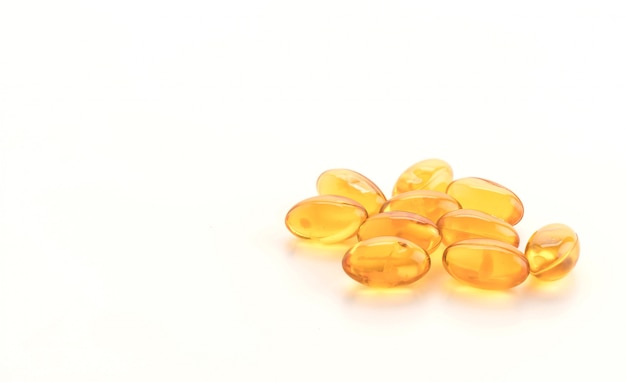
The best way to give omega 3 for dogs is to mix the oil directly into their food. This not only makes it palatable but also aids with absorption since it's a fat-soluble nutrient. If you're using capsules, you can puncture them and squeeze the contents onto the food.
Step 5: Store Properly
Omega-3 oils are prone to oxidation (going rancid). Always store the bottle in a cool, dark place, preferably in the refrigerator, and use it before the expiration date.
Calculate Your Dog's Complete Nutrition Plan
Adding omega-3 supplements is just one part of optimal dog nutrition. Use our advanced dog nutrition calculator to determine your dog's precise daily calorie needs, macronutrient requirements, and create a balanced feeding plan tailored to their weight, age, and activity level.
Free basic calculator • Premium detailed report available • Based on AAFCO & NRC standards
A Final Word on a Healthier Future
Adding a high-quality source of omega 3 for dogs to your pet's routine is one of the simplest and most impactful steps you can take for their long-term health. From a lustrous coat and comfortable joints to a sharp mind and robust immune system, the benefits are profound and wide-ranging. By understanding the science and choosing a quality supplement, you're investing in your best friend's vitality, ensuring more happy, active years by your side.
Here's to less scratching, more playing, and a shinier, happier dog! 🐾
Important Notice
This article is for informational purposes only and should not replace professional veterinary advice. Always consult with your veterinarian before adding supplements to your dog's diet, especially if your dog has existing health conditions or is on medication.